


In November 2022, the world’s population reached 8 billion people, and those who represent the age group 10 - 24 make up approximately 1.8 billion strong, also called as adolescent and youth, are the largest generation of young people in the history of mankind on this planet. Together, youth and children are facing unprecedented number of challenges ranging from their well-being to environmental issues and social inequalities as they come of age, and they will increasingly bear the brunt of the adverse ‘climate change impacts’ despite being the least responsible for historical greenhouse gas (GHG) emissions.
Youth and children are conscious of the fact that they will be the ones bearing the cost of decisions taken today, therefore young people are demonstrating and playing an exemplary role by leading from the front and mobilizing stakeholders for timely climate action. Globally, young generations are reshaping the global climate debate and taking concrete actions for their voices to be heard, amplifying the message of vulnerable communities, and making a fair case for climate justice and inter-generational equity.
The participation of youth in climate change policies and decision-making at the national level has been felt greatly after the recent survey conducted by the Ministry of Climate Change and Environmental Coordination in collaboration with UNDP Pakistan, and highlighted in the ‘Youth Perception Report’. Among others, young people also have the responsibility to fill the knowledge gaps by learning skills across climate mitigation, resilience, and adaptation techniques along with advocating the real-world issues of the marginalized groups in their communities. Hence, they must be made part of the system and provided with meaningful opportunities to represent the wider community and help shape national climate agendas and debates, apart from their meaningful participation at COPs and COYs.
Earth Summit and International Conventions:
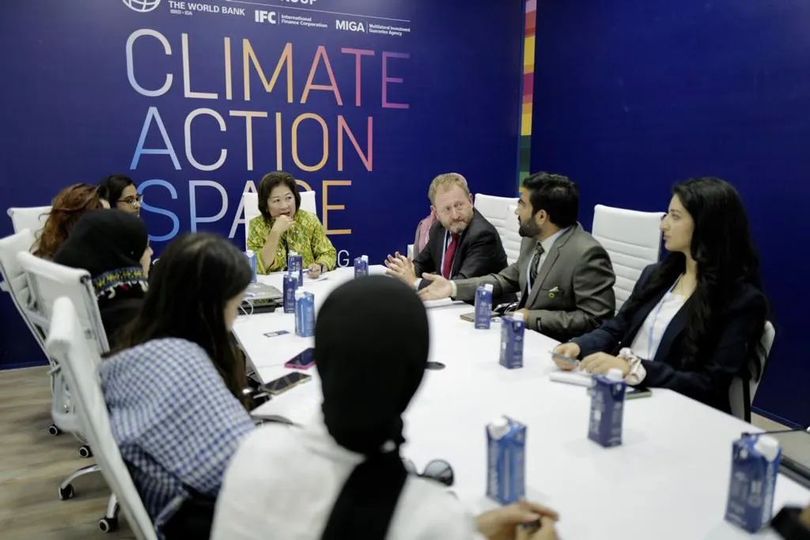
United Nations Conference on Environment and Development (UNCED), also called as the Earth Summit, held at Rio de Janeiro, Brazil (June 3–14, 1992), adopted three international conventions (agreements) that laid the foundation of collective global action for the protection of environment, biodiversity, land restoration and human development.
These are:
- the United Nations Framework Convention on Climate Change (UNFCCC, also known as UN Climate Change)
- the Convention on Biological Diversity (CBD, also known as UN Biodiversity)
- the United Nations Convention to Combat Desertification (UNCCD)
Under all these three conventions, there are COPs organized annually or whenever deemed necessary, to discuss how exactly to combat harmful human impacts on the climate and that should be achieved, including monitoring what progress has been made so far.
The World of COPs and Youth Constituencies:
COP stands for ‘Conference of the Parties’, or simply ‘Conference of Countries’ that are signatories of the convention, tasked with making decisions about how that treaty is implemented. Each year a different country hosts the COP and appoints the COP president, in charge of organizing and running that year’s meeting.
There are also COPs under various international agreements, e.g., chemical weapons and Basel Convention etc.
Talking about these three conventions adopted under Rio Summit, there has been set up youth constituencies that provide their formal input into climate decision making and influence international negotiations. For instance, under UNFCCC, the youth constituency is called YOUNGO, under UNCBD, the youth constituency is named as Global Youth Biodiversity Network and under, UNCCD, the youth constituency is named as UNCCD Youth Caucus.
YOUNGO (Official Youth Constituency of UNFCCC):
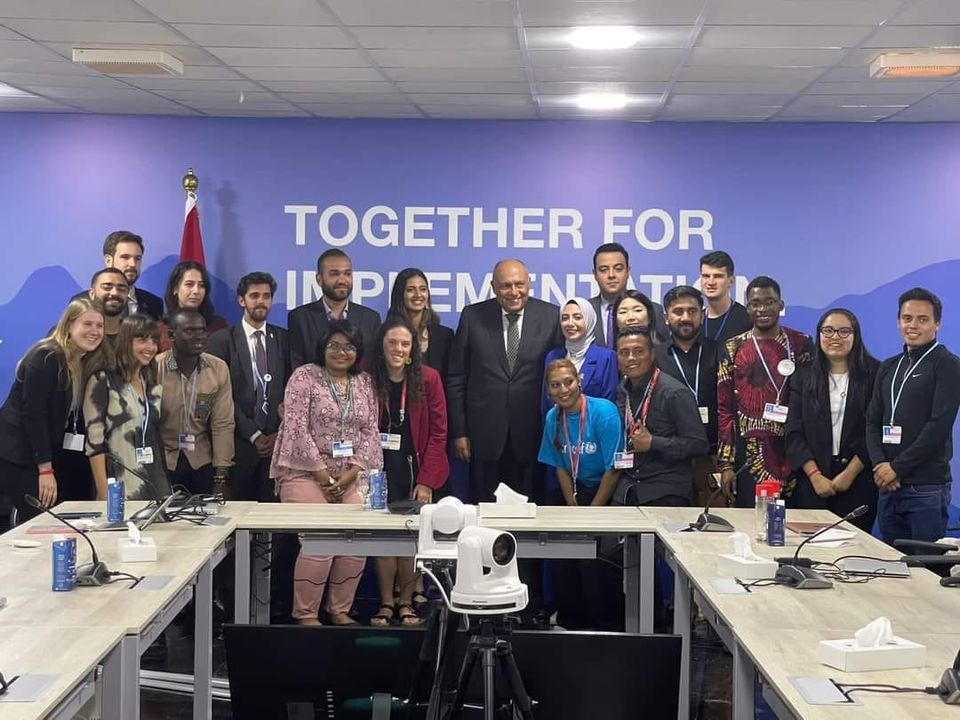
YOUNGO is the official children and youth constituency of the United Nations Framework Convention on Climate Change (UNFCCC). YOUNGO is a vibrant, global network of children and youth activists (up to 35 years) as well as youth NGOs, who contribute to shaping the intergovernmental climate change policies and strive to empower youth to formally bring their voices to the UNFCCC processes (source: UNFCCC).
In 2009, the UNFCCC secretariat extended constituency status to admitted youth NGOs. YOUNGO’s vision is to empower children and youth to take action and works to enhance their skills and capacity to drive the necessary and ambitious climate actions and policies at all levels towards a livable climate just future. YOUNGO representatives make official statements, provide technical and policy inputs to negotiations and engage with decision-makers at the UN climate change conferences, and promote youth participation in climate change projects at local and national levels (source: UNFCCC).
YOUNGO focuses on the following areas:
- Awareness, Knowledge and Capacity Building
- Collaboration, Cooperation and Network
- Policy, Lobby and Advocacy
- Youth Action
Youth Participation at UNFCCC COPs:
Youth capacity building remains one of the top issues for realizing the meaningful participation of young people at COPs, as there is not a lot many expertise available when it comes to international processes and climate negotiations at the top level.
Lack of adequate funding and institutional support have also been identified as major challenges for meaningful engagement at UNFCCC negotiations and conferences participation.
Role of Youth at COP:
Youth must be aware of the national context and background of the negotiations, linking it with previous COPs and historic development of climate diplomacy in the region and at global level. There are few tips that can help their participation and meaningful engagements at COPs:
BEFORE GOING TO COP:
- Build Climate Literacy
It is important to have an understanding of the international vocabulary and terminologies in climate diplomacy that are used by the member states and UN system at events like COPs. For instance, Loss and Damage, Adaptation, Resilience, G77 and China, Global South and North, SIDS (Small Island Developing States) etc.
- Climate Justice Case
Pakistan contributes less than 1% of the global greenhouse gas emissions but yet, every year we keep on climbing up the ladder of climate vulnerability, making it next to impossible for tackling this crisis alone. According to the ‘polluter pays’, those who produce pollution should bear the costs of managing it to prevent damage to human health or the environment. In this context, global south countries are demanding climate justice from global north countries as historically they have caused this climate crisis which is upon us all without any discrimination of communities, race, age and geographical bound.
- Adverse Impacts of Climate Change on Youth in your community
Youth must be aware of the environmental issues and adversity prevailing in their communities so they can advocate for the real-world issues of their local communities at world stage and demand justice. They also have the responsibility of representing the voices of indigenous and vulnerable population and the challenges they are facing in their areas.
- Country’s Stance at COP
Youth also support in shaping the narrative and stage for climate justice at COPs while interacting with global community and stakeholders including youth, political leaders, international media and representing at side sessions. They should have a solid understanding of the national stance at COP so they can be instrumental in supporting the country level efforts and climate diplomacy.
DURING COPs:
- Advocacy and activism:
Youth has been known for their activism and advocacy at COPs and demonstrating exemplary leadership for years. They have been pushing the world leaders for real and serious climate actions at COPs and their role has been acknowledged and explicitly mentioned in climate decision making including COP26 and COP27.
- Observing Negotiations
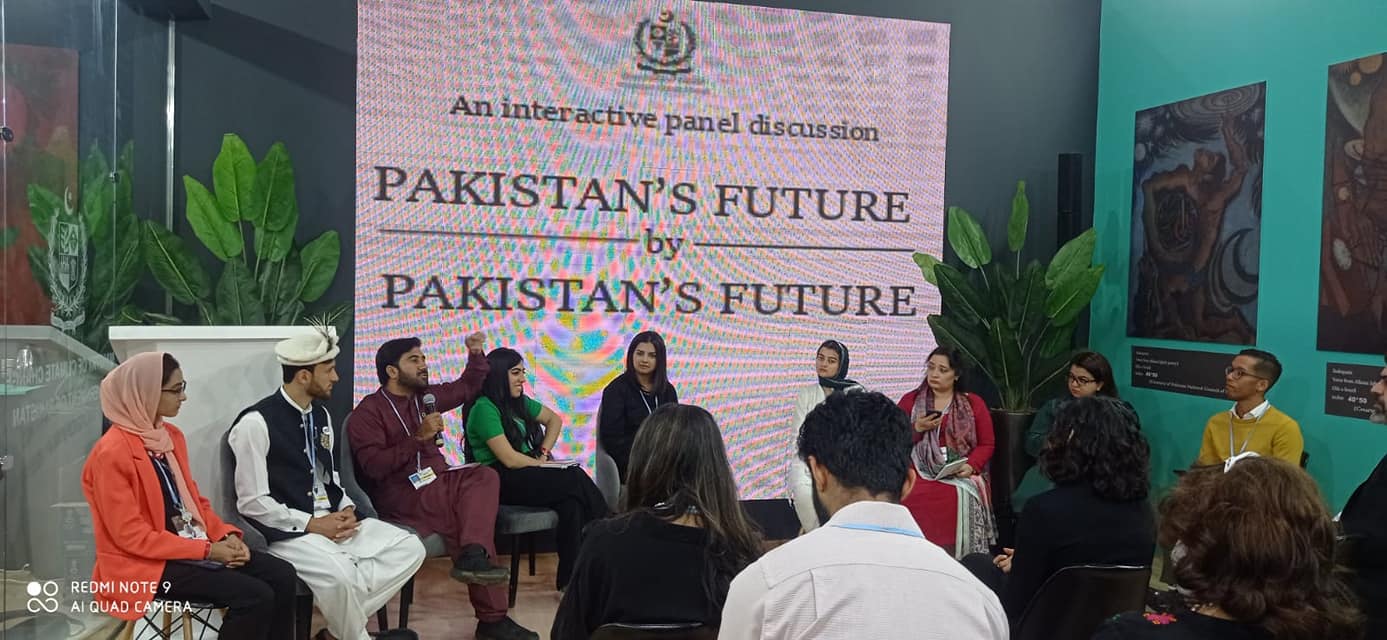
The most important part of attending COPs and meaningful engagement is developing an increasing understanding of negotiation process and how countries work together for collective agendas, sometimes in groups like G77 and China and Island Countries and sometimes, pushing for their own agendas, and how progress is made on different negotiations tracks.
- Raising Ambitions:
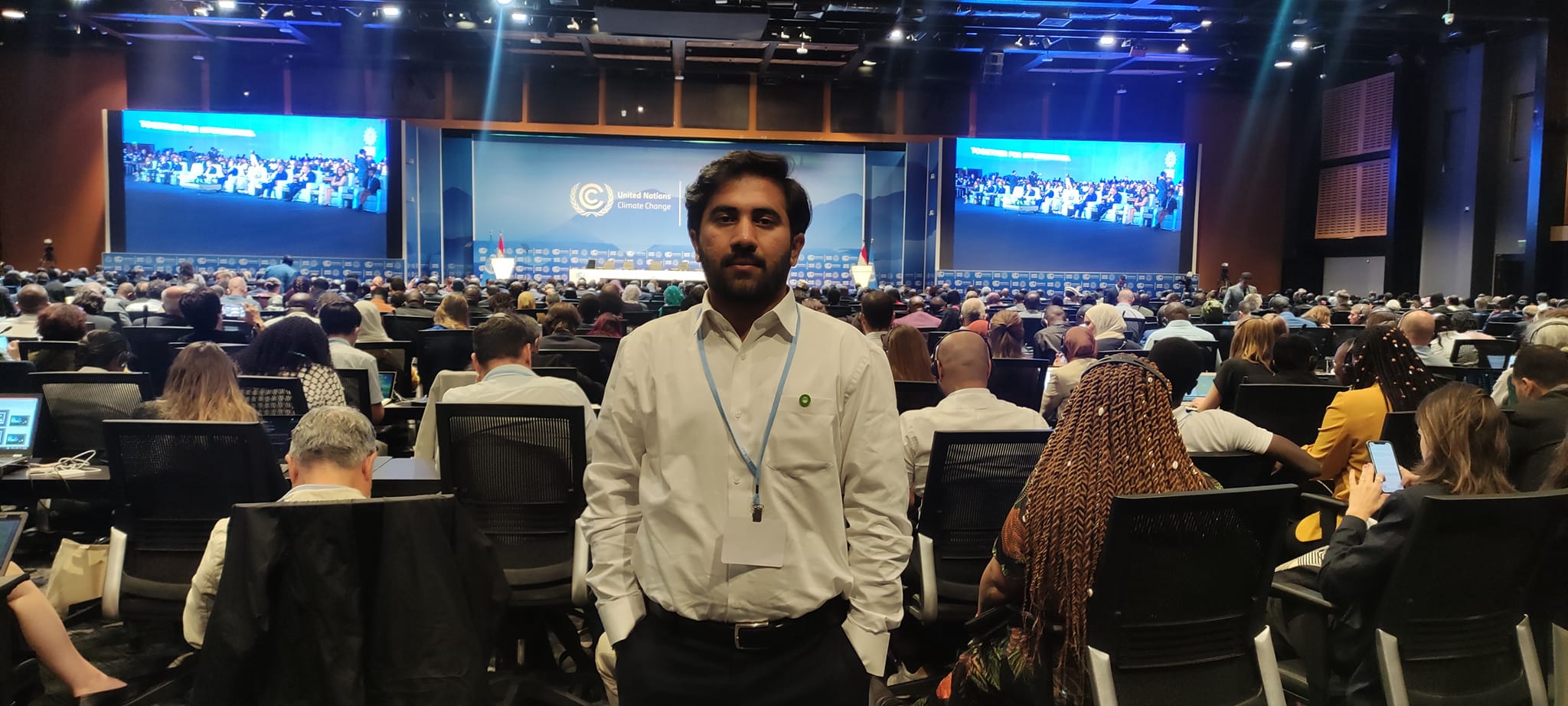
Youth also push for stronger political will from governments and private sector at COPs. Their presence at COPs for many years has yielded raised ambitions and stronger political commitment from governments and international community.
- Youth Constituencies and Children and Youth Pavilion:
There are several youth constituencies and youth groups that are present at COPs and organize activities, sessions, and capacity building workshops, apart from calling for protests and demonstrations. For collective youth action and youth interventions during different sessions and negotiations, the role of youth and other UNFCCC constituencies is significant. Youth participating at COPs should have a working knowledge of how these constituencies work and influence UN system. Similarly, Children and Youth Pavilion is given a dedicated space at COPs now after COP26 and is an important addition to COPs regarding meaningful inclusion of young people into COPs.
AFTER SUCCESSFUL PARTICIPATION AT COPs:
- Raising Awareness and Civic Education:
It is important to be a catalyst of change and deliver back to the community after successful participation at COPs. Youth have the responsibility to bridge the knowledge gap and exchanging their learning outcomes with the wider community members. They should also play their due part in raising awareness in the community and building the capacities of younger generation in this endeavor.
- Civil Society Action:
Young people and youth-led initiatives can also register themselves with UNFCCC as observer organizations and they can play their role in taking their own delegates to the COPs.
Comments (2)
Great
I invited to join in person the event that is going to be from October 13-15 in Belem , Brazil to participate in Bilateral exchange and cooperation with mitigation action facility to prepare for call for project 2026 under mitigation action facility to Decarbonize different sector .